From Catch to Cuisine: Learning Fish Filleting With the Right Knife
Mastering the art of fish filleting requires a blend of proficiency and the right tools. A carefully picked knife can make all the difference in reaching exactness and quality. With a organized workspace and essential techniques at hand, anyone can elevate their culinary creations. Nevertheless, frequent errors can hinder progress. Understanding these details is vital for success. The journey from catch to exquisite cuisine begins here, and the subsequent steps will show the key to flawless fillets.
Picking the Ideal Knife for Filleting Fish
Finding the right knife for filleting fish is crucial to achieving accurate cuts. A filleting knife typically has a long, flexible blade that enables easier maneuvering around bones and skin. Most filleting knives range from six to nine inches long; the decision usually depends on the size of the fish being prepared. The blade's material, such as stainless steel or high-carbon steel, plays a important role in durability and sharpness. A balanced handle, often crafted from wood or synthetic materials, ensures comfort during use and reduces hand fatigue. Furthermore, some knives feature a tapered design that enhances control and precision. Choosing a knife with a good grip and a razor-edged blade can significantly improve the filleting process, resulting in perfectly cut fillets. Therefore, spending time selecting the ideal knife is crucial for anyone eager to master fish filleting.
Ready Your Space to Butcher Fish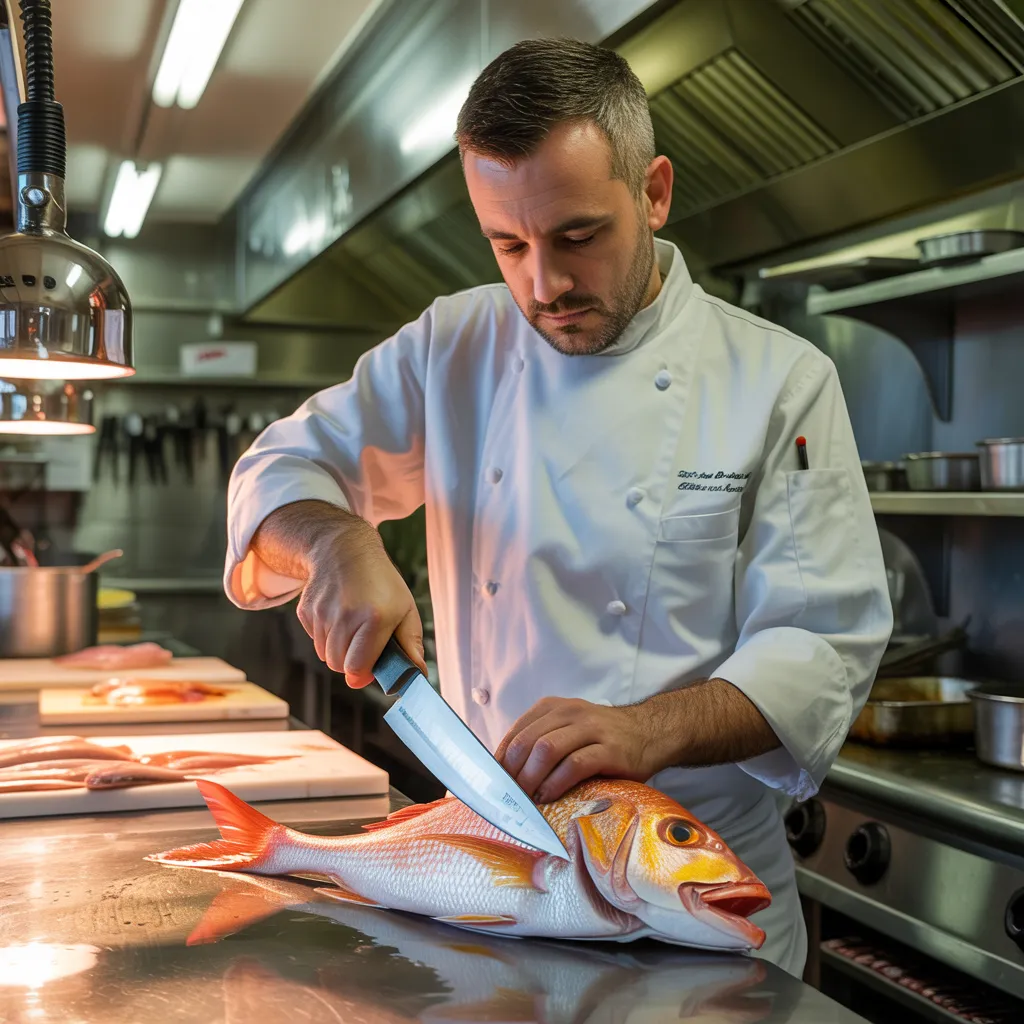
Preparing the workspace for fish filleting is as important as selecting the right knife. A neat, well-organized area guarantees productivity and security during the process. The ideal workspace should be a level, robust surface, ideally a dedicated cutting board that can endure the use of sharp knives.
It is crucial to have all necessary tools within reach, including a filleting knife, cutting board, and a bowl or container for the discarded parts. Proper lighting is also vital; a brightly illuminated space allows for improved sight of the fish's structure and any delicate filleting tasks.
Additionally, it is advisable to keep a damp cloth nearby for quick clean-ups, minimizing the risk of slipping. Finally, verifying that the workspace is free from distractions promotes focus and precision, ultimately bringing about better results. A well-prepared environment plays a vital role in mastering the art of fish filleting.
Key Procedures for Cleaning Fish: A Detailed Guide
Choosing the correct knife is vital for making clean cuts in the process of filleting fish. Knowing the various deboning techniques strengthens speed and precision. This guide will explain the core steps to master the art of fish filleting.
Picking The Right Knife
A superior quality knife is critical for proficient fish filleting, as it not only increases precision but also secures a clean cut. The finest knife for this task is flexible and sharp, typically featuring a long, narrow blade that allows for intricate cuts along the fish's spine and ribs. A filleting knife, often around 7 to 9 inches in length, provides the right balance between control and reach. Handle materials, such as wood or plastic, should offer a non-slip grip to prevent slippage during use. Additionally, a pristine knife, regularly sharpened, will perform better and reduce the risk of injury. Choosing the right knife ultimately contributes to a cleaner, more streamlined filleting experience.
Fish Filleting Strategies Outlined
Equipped with the right knife, the focus becomes the procedures that will guarantee successful fish filleting. To start, fixing the fish on a clean, stable surface is necessary. The knife should proceed along the backbone, beginning just behind the head and traveling towards the tail. A soft sawing motion supports separate the flesh from the bones without tearing. Next, the fillet must be delicately removed, ensuring all pin bones are discarded. For skinning, the fillet is positioned skin-side down; the knife's blade edge is used to transition between the skin and flesh. Ultimately, trimming any remaining bones or imperfections completes the process, yielding perfectly filleted fish ready for culinary use. Mastery of these techniques strengthens both efficiency and results.
Top 5 Errors to Steer Clear Of While Filleting Fish
Filleting fish requires careful attention and proficiency, though many novice fishers make common pitfalls that can harm the process. One significant mistake is using the wrong knife; having a filleting knife is necessary for proper cuts. Applying too much pressure is another usual error that can damage the flesh instead of slicing smoothly. Furthermore, neglecting to remove all bones can cause an unpleasant eating experience, thus attention to detail is key. Many fishers also discard the fish’s natural lines, leading to meat loss. Lastly, an unclean workspace can lead to contamination and reduce efficiency. By avoiding these five mistakes, novice fishers can markedly improve their filleting technique, ensuring a better product and a more enjoyable cooking experience. Mastery of these fundamentals prepares the way for a successful transformation from catch to cuisine.
Maintaining Your Filleting Knife: Key Guidance
Preserving your fillet knife is necessary for maximum performance and safety. Consistent sharpening practices, correct cleaning methods, and proper storage options confirm the blade stays effective and durable. By following these key tips, users can increase the lifespan of their filleting knife and strengthen their seafood preparation experience.
Sharpening Techniques Consistently
Frequently sharpening a filleting knife is necessary for obtaining accurate cuts and securing safety when working with fish. A blade that is dull may skid, heightening the chance of injury and affecting the fillet's quality. Different methods exist for sharpening, including using a whetstone, honing rod, or electric sharpener. The whetstone requires skill but allows for precise control, while honing rods are simpler and ideal for quick touch-ups. Using electric sharpeners is convenient but can remove excess metal. Regardless of the method chosen, maintaining a consistent angle while sharpening is vital. Furthermore, sharpness testing can be done by cutting through paper; a smooth cut shows a properly sharpened knife, prepared for efficient filleting.
Proper Cleaning Strategies
Keeping a well-maintained filleting knife is important for food safety and ideal performance. Using proper cleaning methods ensures that the knife stays effective and free from contaminants. The knife should be rinsed immediately under warm water after every use to eliminate fish residue. A non-abrasive sponge or cloth can be used to carefully scrub the blade, avoiding abrasive substances that might damage the finish. Thoroughly drying the knife is essential to prevent rust and corrosion. Consistently checking the knife for any signs of wear or damage while cleaning helps keep it functional. Adhering to these cleaning routines extends the knife’s durability and supports a hygienic environment for food preparation.
Safe Storing Methods
Cleaning correctly is crucial for the longevity of a filleting knife, and secure storage methods are equally vital. Proper storage of the knife can prevent damage both to the blade and to the user. A suitable knife sheath or blade guard is suggested to safeguard the edge and ensure safety during use. Magnetic strips may also be helpful for easy access and visibility, reducing the risk of accidents. It is wise to keep the knife in a dry place to avoid rust and corrosion. Additionally, storing the knife away from heavy kitchen tools lowers the likelihood of dulling or chipping the blade. By applying these storage techniques, one can extend the filleting knife’s life and ensure safe handling.
Cooking Guidance and Recipes to Boost Your Filleted Fish
Boosting flavor and texture requires learning a few essential cooking techniques for upgrading filleted fish. One effective method is searing in a pan, which produces a crispy exterior while keeping moisture intact. A heated cooking surface with a touch of oil enables the Maillard reaction, boosting the fish's natural flavors.
Furthermore, soaking the fillets in citrus juices, herbs, or spices for 30 minutes can infuse them with vibrant taste. Baking is another excellent choice, especially when paired with a coating of panko and cheese for added texture.
For a refreshing variation, consider preparing fish tacos with a zesty slaw and avocado. Alternatively, a simple lemon-butter sauce can enhance any dish, highlighting the delicate flavors of the fish.
Trying with different cooking techniques and flavor profiles allows home cooks to prepare unforgettable dishes that showcase their newly filleted catch.
Comprehensive Step-by-Step Directions for Filleting Multiple Fish Species
Perfecting the art of fish butchering is vital to reaching the best culinary results. Each variety requires a customized approach to guarantee optimal yields and quality. For flat-bodied fish, such as flounder, one should start by positioning the fish skin-side down, creating a cut behind the head, and then gliding the knife along the backbone. In contrast, filleting round fish, like trout, involves a similar initial cut but requires close attention to the rib bones. For bigger fish, such as salmon, a long, flexible knife is essential. After making the initial cut, the filleting knife should glide along the spine, separating the flesh from the bones with precision. Following these methods not only maximizes the amount of fillet obtained but also enhances the overall consistency and flavor of the fish, rendering it an invaluable skill for any culinary enthusiast.
Regularly Posed Inquiries
How Can I Determine the Right Fish for Filleting?
Selecting the suitable fish for deboning requires picking quality firm specimens. Common choices encompass salmon, trout, and snapper, known for their manageable dimensions and meat grade, guaranteeing simpler handling and superior outcomes in the filleting procedure.
May I Use a Typical Kitchen Knife for Filleting?
Removing fillets with a regular kitchen knife is doable, though it may lack summary the accuracy and adaptability that a specialized fillet knife provides. A dedicated fillet knife produces neater slices and better overall results in fish filleting.
What Ought To I Use With Fish Scraps After Filleting?
After filleting fish, one should consider turning scraps into compost, preparing fish stock with them, or contributing to local wildlife. Handling them responsibly assures reduced waste while enhancing the value of the entire fish.
How Many Days Are You Able to Keep Filleted Fish?
You can keep filleted fish in the refrigerator for up to two days, and frozen preservation prolongs its shelf life to six months. Proper wrapping decreases freezer burn, maintaining quality and freshness for upcoming meal preparation.
What Safety Tips Should You Follow When Filleting Fish?
When deboning fish, one should always employ a sharp knife for precision, keep a clean workspace to avoid contamination, ensure hands and surfaces are dry, and emphasize safety by keeping fingers away from the blade's edge.